![[background image] image of kitchen sink with running water](https://cdn.prod.website-files.com/6a7b7e809b3d6b8e21543ed6/6a7b8a0b8ce6d36c7cb48ec1_69dffee5-f3d5-4377-bfd7-e762de0d3f36.avif)
Testing first
The process starts with the source water, symptoms and homeowner goals. A free screening can help evaluate common treatment conditions; certified laboratory testing is used when a health contaminant or formal result requires it.
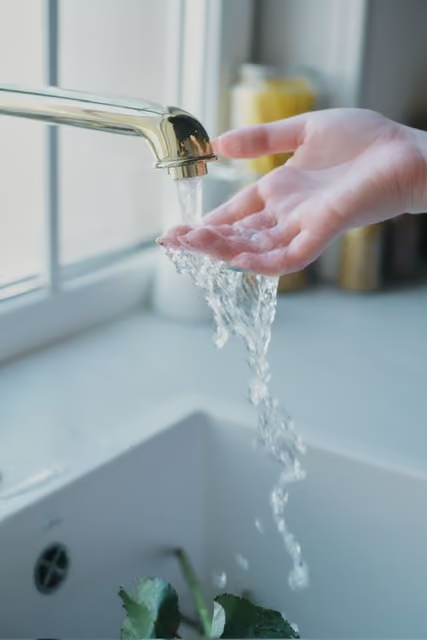
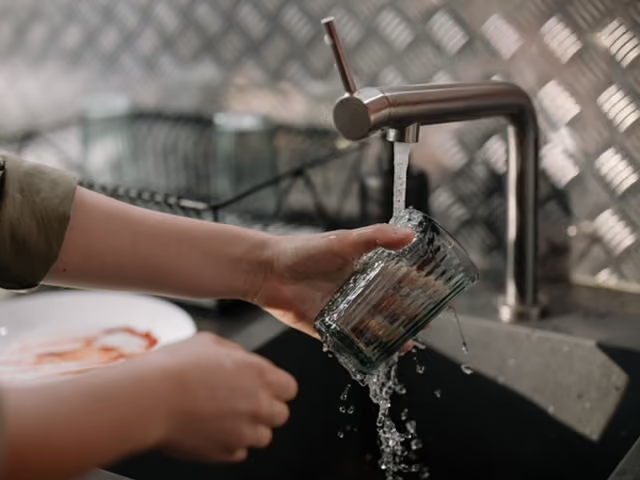

Hardness, iron, manganese, sulfur odor, pH, chlorine and drinking-water concerns do not all require the same treatment. The water has to be understood before equipment is selected.

Homeowners should understand what the screening suggests, what it does not prove, and when certified laboratory testing is the appropriate next step.
A water softener, whole-home filter, reverse osmosis system or targeted well-water treatment is recommended only when it matches the water conditions and the home's goals.

AquaTrust avoids treating every home as if it has the same water. Source water, plumbing, household use and treatment objectives all matter.
Scale, staining, odor, taste, discoloration, a private-well concern or a drinking-water goal gives the visit a clear starting point.
Common water conditions can often be screened in the home. PFAS, arsenic, bacteria and other lab-dependent concerns are handled differently and should use appropriate certified testing.
If treatment makes sense, AquaTrust explains the type of system, what it is intended to address and how it fits the home's water and objectives.
The goal is a clear recommendation without forcing equipment into the conversation when the water does not support it.
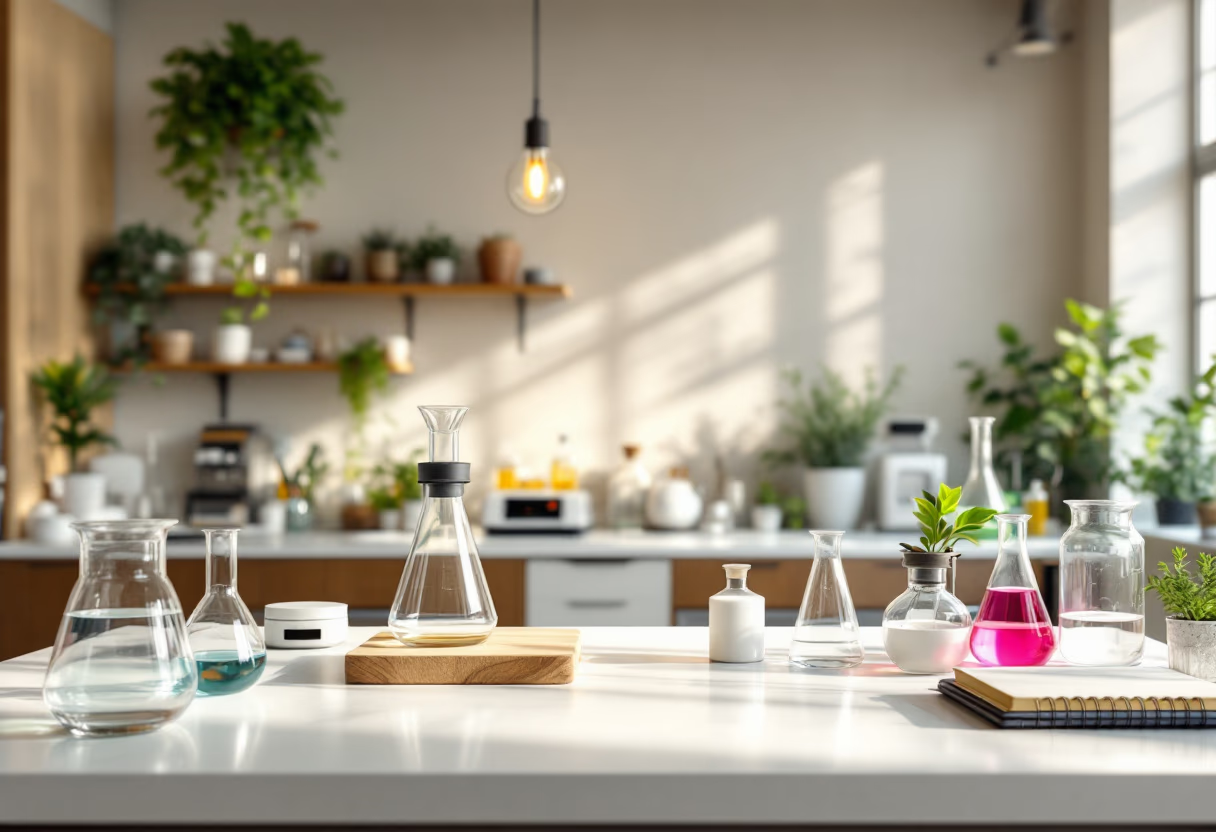
Free in-home screening for common water conditions.
Clear explanations, no obligation, and treatment only when it fits.
Treatment recommendations only when they fit the water.
AquaTrust is built around a simple idea: understand the water first. A private well with low pH and iron needs a different conversation than a municipal-water home concerned about chlorine taste or a homeowner who wants better drinking water at the kitchen sink.
The process starts with the source water, symptoms and homeowner goals. A free screening can help evaluate common treatment conditions; certified laboratory testing is used when a health contaminant or formal result requires it.
AquaTrust explains what the results mean, what each treatment option is designed to address, and where the limitations are. The goal is a system that fits the water—not the biggest system that can be sold.
Based in East Providence and serving Rhode Island and Southeastern Massachusetts, AquaTrust works with both private-well and municipal-water homes across the service area.
Water softening, whole-home filtration, reverse osmosis and targeted private-well treatment for issues such as hardness, iron/manganese staining, sulfur odor, acidic water and drinking-water goals.
A free field screening is not a certified laboratory result for PFAS, bacteria, arsenic, lead or other health-related contaminants. When laboratory testing is the correct next step, the recommendation should be to test properly before treatment is selected.